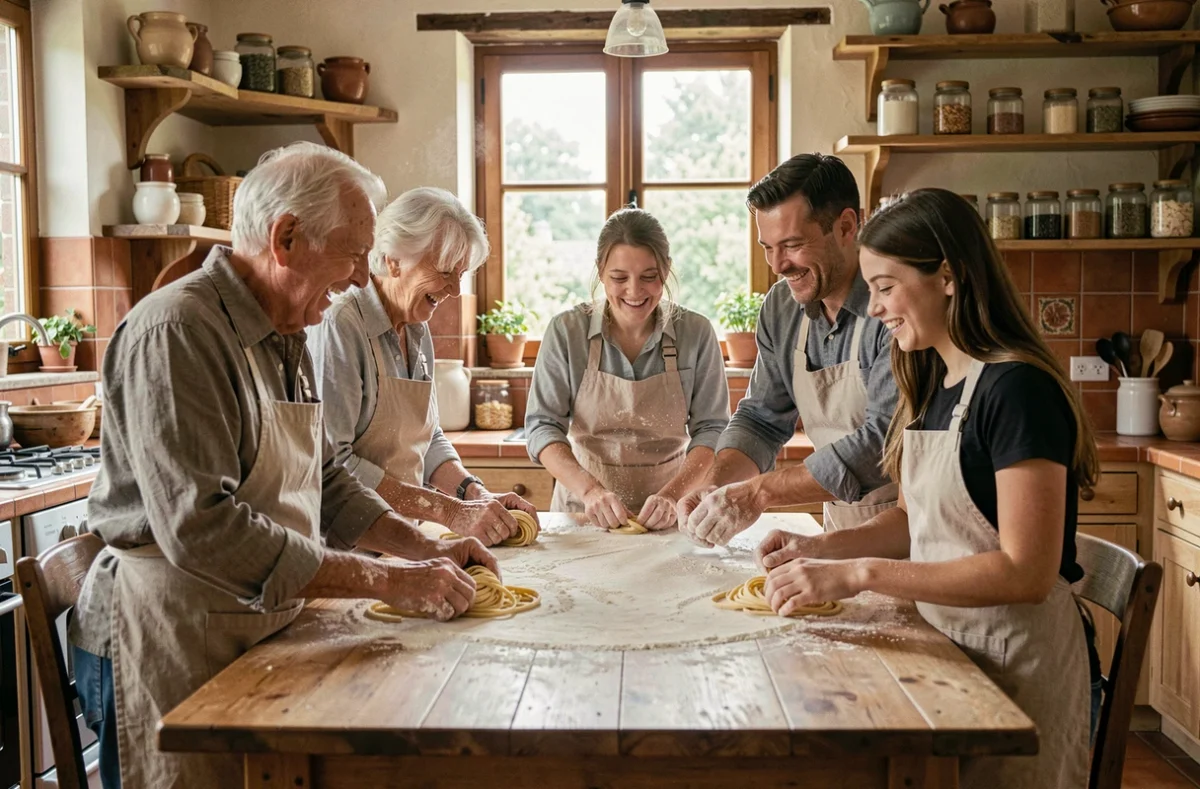
A rainy Wednesday afternoon, two children going round in circles, and a tired parent torn between putting on a cartoon and pulling the dusty board game out of the cupboard. This kind of everyday situation is exactly where the strongest family memories are made. Strengthening family bonds doesn’t require a vacation budget or an elaborate plan: it comes from sharing moments regularly, even when they’re brief or imperfect.
Turn everyday downtime into time together
We tend to underestimate the value of ordinary moments. The drive to school, waiting at the doctor’s office, making dinner: these are pockets of time that come around every week, with no advance planning needed.
The easiest place to start is with conversation. Not an interrogation about the school day (which invariably gets the answer “fine”), but a specific question: “What was the weirdest thing that happened today?” or “Did you help anyone this week?” These brief, repeated exchanges build a habit of sharing between parents and children.
Cooking together works the same way. Peeling vegetables or measuring flour may not be memorable in itself, but doing it regularly creates a ritual. Families who pair a hands-on activity with a set time, such as Sunday morning, eventually turn it into a meaningful family tradition. On MY FAMILLE, you’ll find activity ideas for every age group to help make these family get-togethers part of your routine, without any pressure.
Simple family rituals: consistency is what matters
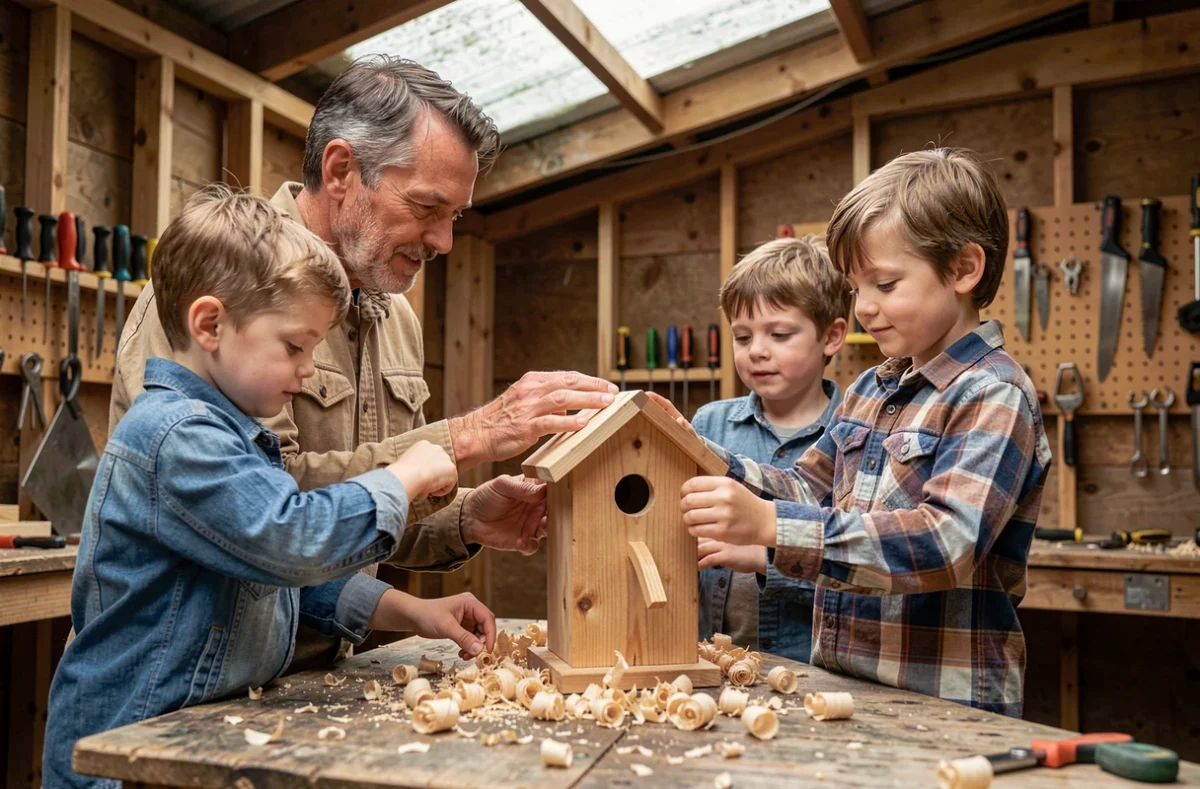
A family ritual doesn’t have to be original. It just needs to be repeated often enough to become a familiar part of the routine. Friday pizza night, a Sunday walk in the same park, reading a story aloud before bed: what makes these rituals special is their predictability.
Children find emotional security in this consistency. Knowing that every Saturday you play cards after a snack gives them an anchor in the week. What matters isn’t how good the activity is, but how regularly it happens.
Creating a ritual that lasts
Most family rituals fail because they’re too ambitious. Planning a hike every Sunday can quickly become a chore when it rains or a child gets sick. A sustainable ritual meets three criteria:
- It doesn’t depend on the weather or require going anywhere (a board game, drawing together, or looking through a photo album)
- It lasts between fifteen and forty-five minutes, no longer, so it can fit around unexpected changes
- It gives every family member a chance to take part, including younger children who can’t read or write yet
When a ritual becomes too demanding, adapt it instead of giving it up. Swapping the Sunday walk for a scavenger hunt in the garden keeps the habit going while changing the format.
Screens and family life: ask the right question
The usual response is to set a screen-time limit. That approach has its merits, but the real question is what screen time is replacing. The French commission’s report on children and screens, published in 2024, offers recommendations for a cautious approach. Some accessible research summaries suggest that links between screen time and development may become less pronounced when the broader lifestyle is taken into account.
In practice, a child watching a show after a day full of interaction is in a different situation from a child whose screen fills every spare moment. The useful question isn’t “how long?” but “is screen time eating into sleep, free play, or shared meals?”
Protect mealtimes as a space for conversation
Of all the moments in the day, mealtimes are still the best opportunity for family conversation. Not because the table is a magical place, but because everyone is sitting together at the same time, without another activity competing for their attention—if you choose to make it that way.
Putting phones in another room during dinner doesn’t guarantee deep conversations. But it does make space for them. Families who maintain this routine report talking more often about emotions and the day’s events. It’s the effect of a habit, not an automatic result.
Capture memories without staging them
Family photos have changed. We take hundreds of them, store them on our phones, and rarely look at them again. For photography to strengthen family bonds, it needs to become a way to spark conversation again, not a silent archive.
A few practical habits work better than simply taking more photos:
- Print one photo each month and display it on a dedicated wall, letting each family member choose one
- Keep a family scrapbook where everyone can add a picture, a drawing, or a note about something that happened recently
- Look through the past year’s photos together on a set date, such as the last day of the school year
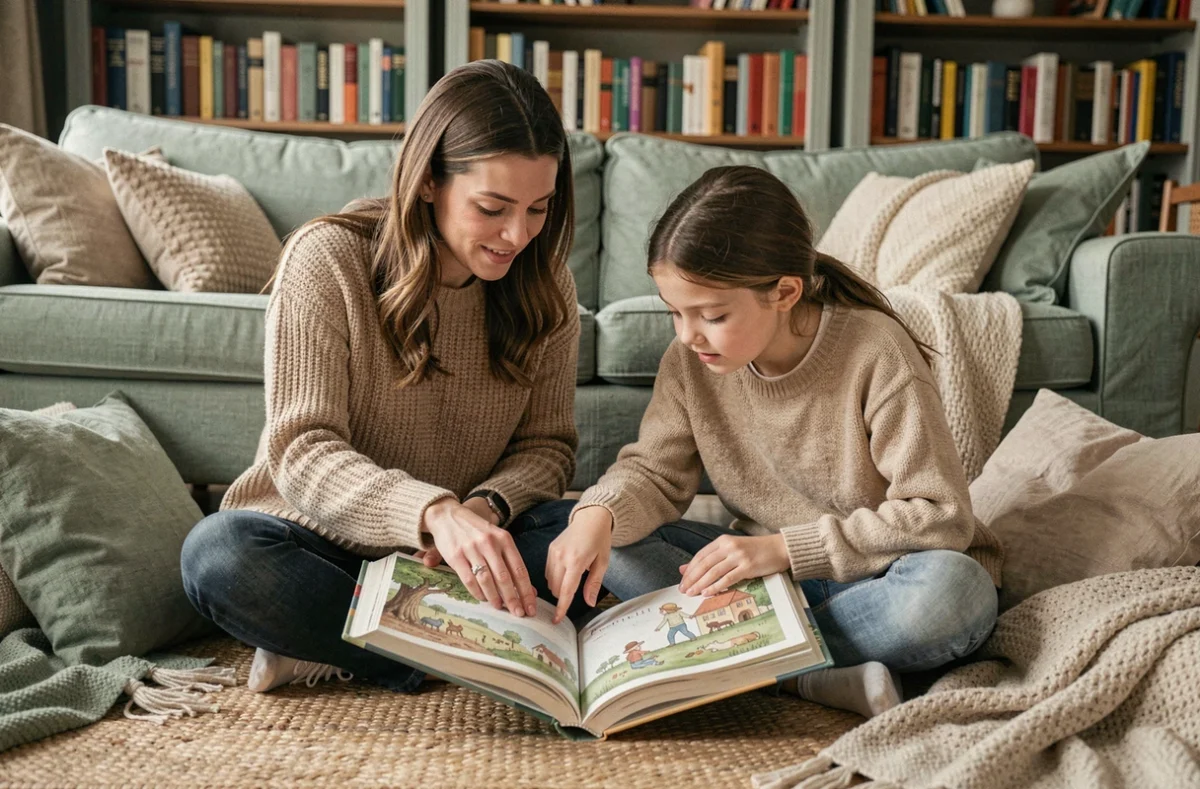
A shared memory becomes more meaningful when you revisit it together. A physical album, a scribbled-in scrapbook, or a photo wall creates opportunities to tell stories. When a child points to a drawing from two years ago and says, “I remember that,” they’re sharing a moment of family connection that the cloud can’t provide.
Strengthening family bonds day to day comes down to small gestures sustained over time. There’s no one-size-fits-all formula: what works for a family with two school-age children may not suit a blended family with an infant. The one thing they have in common is making time to be together regularly, even briefly, without screens or a set agenda.