In the world of gardening, climbing plants hold a prominent place. They offer an attractive vertical aesthetic and help optimize space in both small and large gardens. However, cultivating these plants requires specific know-how. Mastering the art of directing them, understanding their needs for light, water, and support, as well as knowing the techniques for pruning and propagation, are essential to ensure their growth and flowering. Approaching gardening from the perspective of climbing plants is to explore a field rich in varieties and possibilities, capable of transforming an outdoor space into a lush green haven.
The Fundamentals of Climbing Plant Cultivation
Climbing plants refer to a group of plants that can rise on vertical structures, thus providing dense and often spectacular foliage. Cultivating these plants involves understanding their growth mechanisms and specific needs. Iconic examples of this category include jasmine, clematis, Virginia creeper, Chinese wisteria, ivy, and climbing roses, which adapt to various supports, whether natural like a tree or artificial like a trellis. Choosing the right climbing plants for your environment is a fundamental step to ensure their optimal development.
The Madagascar Jasmine, with its intoxicating fragrance, perfectly illustrates the ability of a climbing plant to transform a space into a place of relaxation and beauty. To successfully cultivate it, consider the light conditions, preferring a location with partial shade or a bright spot without direct sunlight, and ensure it has fertile, light, and cool soil. Watering should be regular but moderate to avoid saturating the substrate.
Permaculture is committed to designing agricultural systems inspired by natural ecosystems and finds in climbing plants valuable allies. Indeed, these plants contribute to biodiversity and allow for the utilization of vertical space often overlooked in traditional layouts. This sustainable approach recognizes climbing plants as key players in creating a productive and ecological garden.
For enthusiasts of plant propagation, honeysuckle cuttings present an accessible technique for propagating this delicately scented species. This method, within everyone’s reach, symbolizes the ease with which certain annual climbing plants can be cultivated and integrated into diverse gardening projects. Be sure to choose the right time and adequately prepare the materials to ensure the success of this delicate operation.
Maintenance Strategies and Enhancement of Climbing Plants
Maintenance of climbing plants begins as soon as they are planted. The timing of planting is strategic: avoid periods of extreme temperatures. Use draining materials and a suitable soil mix to promote growth. Fertile, light, and cool soil forms the basis for a harmonious development for species such as Madagascar Jasmine. This particular plant requires regular watering, without excess, to avoid saturating the substrate and thus preventing moisture-related diseases.
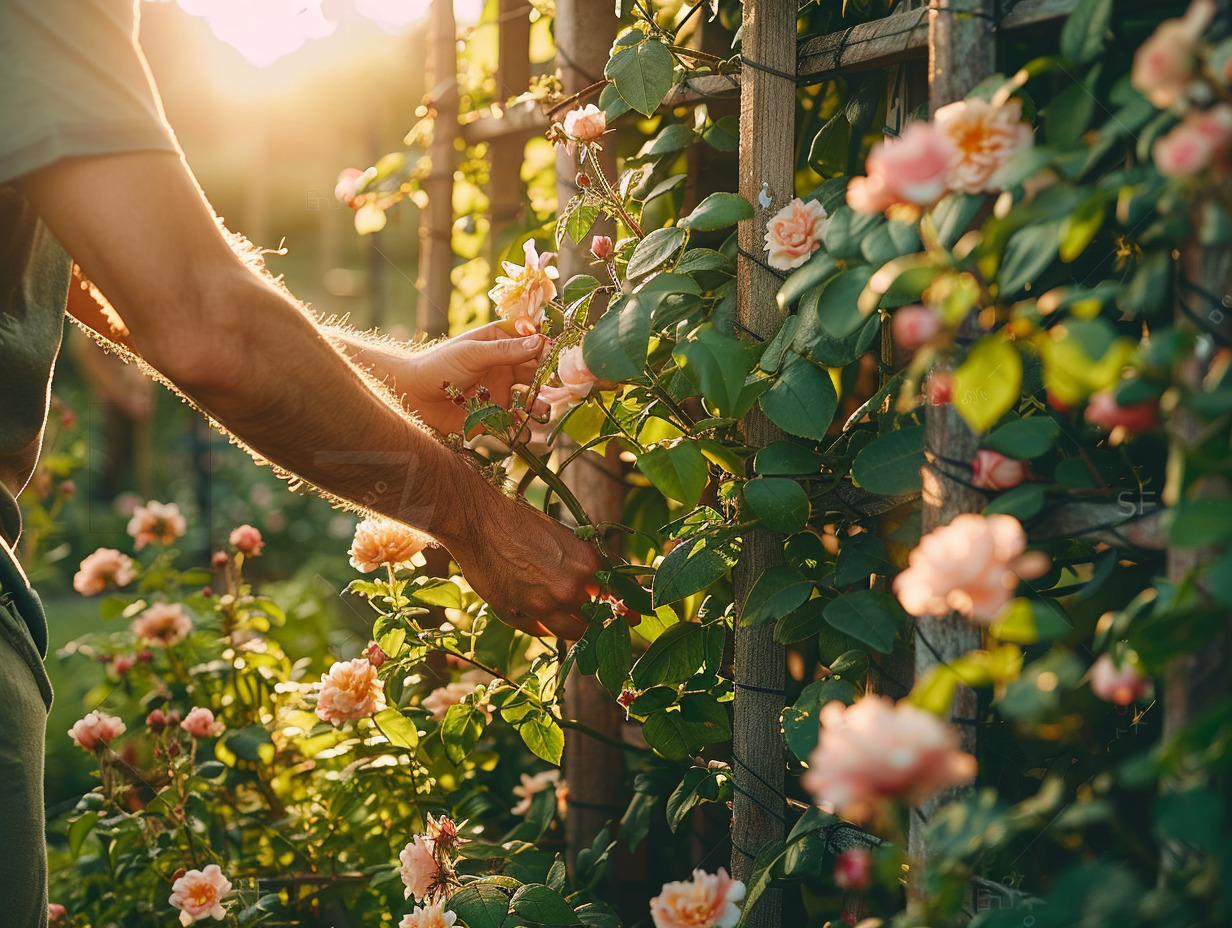
The question of support is central. Whether it’s a trellis, a pergola, or simply the trunk of a tree, the chosen structure must allow the plant to rise and thrive. The support must be sturdy and well-anchored, as it will need to bear the weight of the plant as it grows. Careful training will encourage harmonious growth and a balanced distribution of branches.
For regular care, maintain constant vigilance. Watering should be frequent, especially during hot periods. Protect your plants from diseases and pests by applying appropriate treatments and practicing regular pruning. The latter stimulates growth and contributes to more abundant flowering, especially for varieties such as climbing roses.
Enhancing climbing plants by creating green walls or arranging vertical green corners is not only aesthetic but also beneficial for the environment and health. The greening of spaces, particularly urban ones, contributes to improving air quality and offers a visual and olfactory haven of peace. Follow these tips and tricks to transform your garden into a pleasant living space where nature rises with elegance and vigor.