
A supplier who has gone unpaid for three months, a blocked business account, reminders from the ONSS piling up: in Belgium, the line between temporary difficulty and insolvency can sometimes be crossed in just a few weeks. Understanding the mechanics of bankruptcy, whether it concerns a company or an individual engaged in independent activity, allows for action before the court takes over.
Confidential judicial reorganization: the little-known option before bankruptcy
When thinking of bankruptcy in Belgium, one imagines a public judgment, a mention in the Moniteur belge, clients fleeing. However, since the reform that came into effect on September 1, 2023, a struggling company can resort to a private and confidential reorganization procedure. In practice, the debtor negotiates with one or more creditors without the information circulating in the Banque-Carrefour des Entreprises.
This discretion changes the game for SMEs that depend on a small number of clients. A public reorganization, visible to all, can lead to the loss of contracts at the very moment the company is trying to recover. The confidential version allows for the restructuring of targeted debt (a landlord, a financing body) without alerting the rest of the market.
All these procedures, both bankruptcy and reorganization, are centralized in the RegSol register, which also serves for transfers under judicial authority and for claims declarations. Practical details on insolvency and the steps of the procedure are documented on banqueroute.be, which gathers information related to insolvency under Belgian law.
Conditions for bankruptcy in Belgium: three cumulative criteria
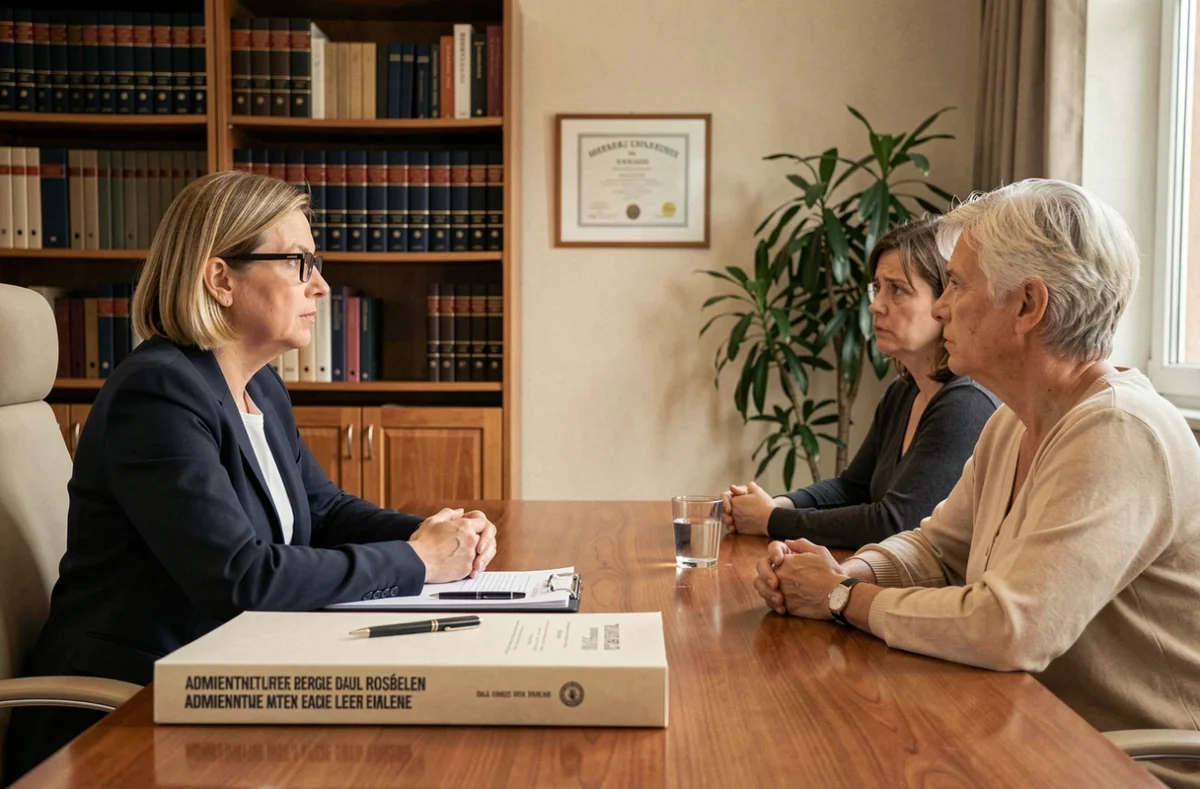
The commercial court does not declare bankruptcy upon simple request. Three conditions must be met simultaneously, and their verification is strict.
- The debtor must qualify as a business under Article I.1 of the Code of Economic Law. Since 2018, this notion has widely exceeded commercial companies: an individual engaged in independent activity (artisan, liberal profession, farmer) can be declared bankrupt.
- The cessation of payments must be persistent, not just a one-time delay. The judge examines whether the debtor is structurally unable to meet their due debts.
- The debtor’s credit must be shaken: suppliers, banks, or partners refuse to continue business relations under normal conditions.
A manager who delays admitting bankruptcy takes a personal risk. Belgian law currently requires this admission to be filed within a month following the cessation of payments, unless a judicial reorganization suspends this obligation during the moratorium. Delay can engage the personal liability of the manager, including on their personal assets.
Role of the curator and reality of assets: what creditors recover
Once bankruptcy is declared, the bankrupt loses control of their assets. A curator, appointed by the court under the supervision of a judge-commissioner, takes over. Their mission is divided into three phases: inventorying and selling the assets, establishing the liabilities (all declared debts), and then distributing the proceeds among the creditors after deducting procedural costs.
On paper, the mechanism seems fair. In practice, the majority of bankruptcies end without sufficient assets to cover the costs. Unsecured creditors (those with neither mortgage nor privilege) often recover nothing. This reality drives many suppliers to demand personal guarantees or significant deposits before working with fragile structures.
Claims declaration on RegSol
Creditors must submit their claims declaration within the deadlines set by the bankruptcy judgment, via the RegSol platform. Missing this deadline risks exclusion from the distribution. The register also centralizes reorganization and transfer files under judicial authority, making it the single entry point to follow any insolvency procedure in Belgium.
Personal bankruptcy of the manager: private assets and excusability
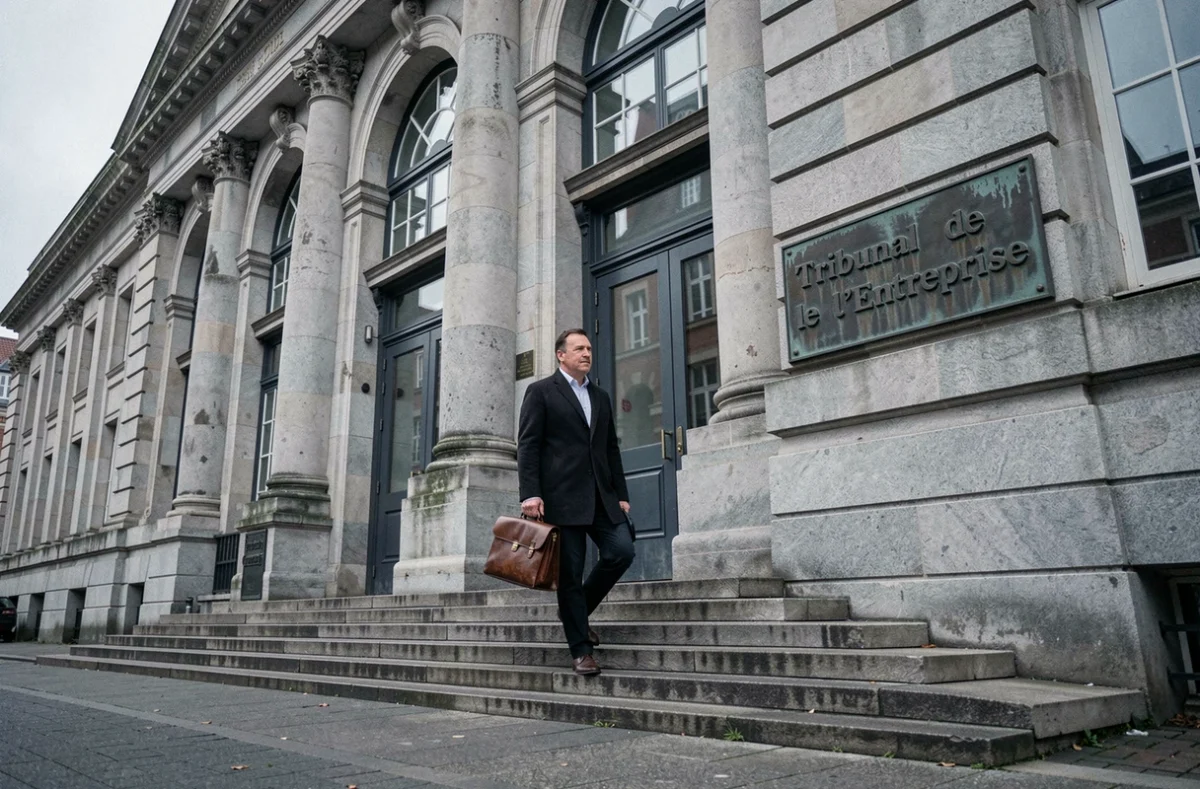
Confusion is common: it is thought that bankruptcy only affects the company, not the person who runs it. This is true for a SPRL or SRL whose debts remain confined to the corporate assets, except in two specific cases.
The first concerns personal guarantees signed by the manager. A bank loan secured by a guarantee engages private assets, regardless of the legal form of the company. The second concerns the manager’s liability for mismanagement, for example, continuing a loss-making activity without a reasonable prospect of recovery.
For self-employed individuals as natural persons, the distinction simply does not exist: professional and private assets merge. The bankruptcy procedure can then affect the family home, savings accounts, and vehicles.
Erasure of residual debts
After the bankruptcy is closed, the court may grant an erasure of residual debts (formerly called “excusability”). This mechanism allows the bankrupt to start over without indefinitely carrying the burden of unpaid claims. The returns vary on the conditions for obtaining it according to the courts, but the principle remains that the good faith debtor, who has cooperated with the curator, has a good chance of benefiting from it.
Bankruptcy in Belgium is not a fixed end of the road. Between confidential reorganization, public procedure, and bankruptcy itself, the Code of Economic Law offers several levels of intervention. Acting at the first signs of payment cessation remains the determining factor to preserve both the activity and the personal assets of the manager.